
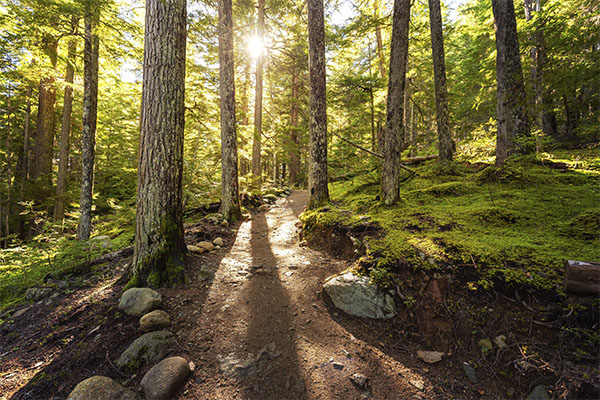
Alcove Spring Historic Park holds a special place among Kansas’ historical and natural attractions. Located near Maryville, Kansas, this park preserves memories of the pioneer trail, the original water source, wagon tracks, and cultural heritage. In this article, we explore the origins, historical significance, natural features, and modern visitor opportunities of this site.
Historical context and significance
From the very beginning, Alcove Spring became an important stop on the route westward (Oregon Trail / California Trail). The place is known as a camp for settlers waiting for the Big Blue River to recede so they could cross safely. Many travellers carved their names and dates on the rocks around the spring – such inscriptions can still be found today.
One of the tragic moments occurred in 1846: members of the Donner-Reed Party named this spring Alcove Spring, and it was there that the first recorded death among them occurred – Sarah H. Keyes. Near the park, there are wagon swales – elongated indentations in the ground formed by numerous caravans. Alcove Spring is also listed on the National Register of Historic Places. Alcove Spring Historic Park is a kind of ‘monument’ to those who crossed the continent, facing water barriers, unpredictable conditions and the trials of the journey.
Natural features and landscape
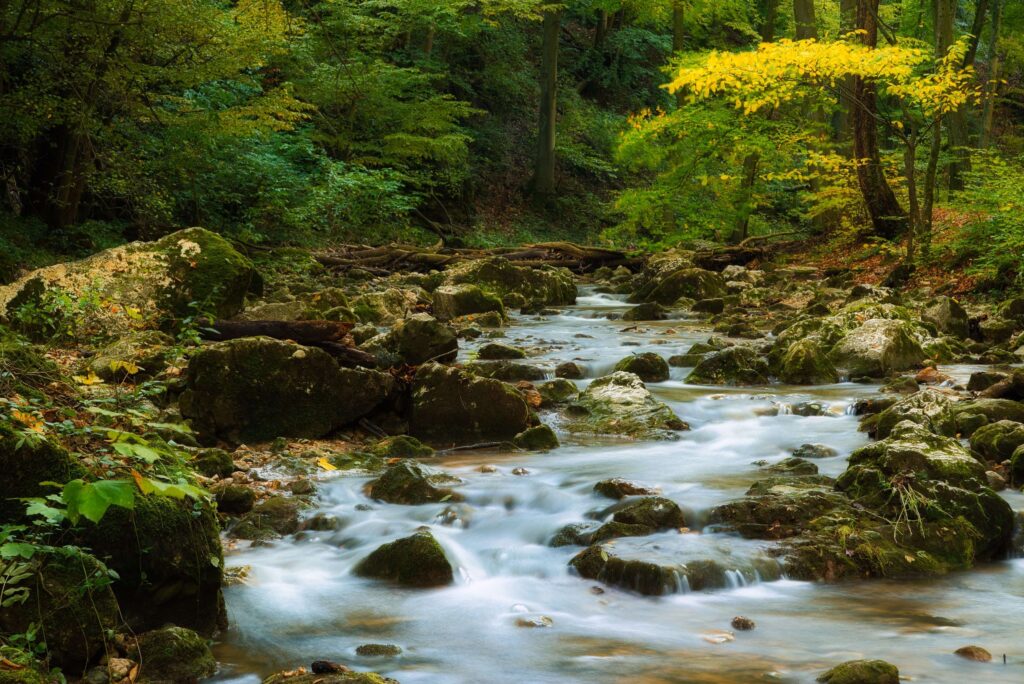
Alcove Spring is a water source that flows from rock formations, forming a cascading waterfall during periods of high rainfall. The water flows down a ledge into a natural pool surrounded by greenery, shrubs and forest.
The park covers approximately 223 acres (about 90 hectares). In addition to the spring and cascade, there is a network of hiking trails (up to 5 miles) that allow visitors to explore the surrounding hills, forests and prairie areas. An interesting feature of the landscape are the wagon swales – traces of wagon wheels that have sunk into the ground and remain to this day. These relief strips are a living trace of the path travelled by thousands of wheels.
However, it is worth noting that in June 2022, a tornado struck the park, damaging some trails and leaving fallen trees and unstable rocks in its wake. Visiting some areas may be difficult.
How to get there and what to see
Alcove Spring Historic Park is located approximately 6 miles south of Marysville on East River Road. An easy walking trail leads from the car park to the spring, covering a distance of about a quarter of a mile (400–500 metres). During your visit, you can expect to see:
- the spring itself and the waterfall;
- rock ledges with carvings and inscriptions by travellers;
- remnants of wagon swales;
- walking trails around the park;
- information signs and exhibits along the trails.
Upon reaching the site, visitors cross a wooden bridge, which offers views of the spring and cascade. On the opposite side of the road is a monument from the DAR (Daughters of the American Revolution) in honour of Sarah Keizes. Trails leading to key historical features begin at the car park: swales, trails, and the spring.
The waterfall is not active all year round. It operates during periods of increased precipitation or active spring flow. In the summer heat or dry weather, the cascade may be barely noticeable or absent altogether.
Practical tips for visitors
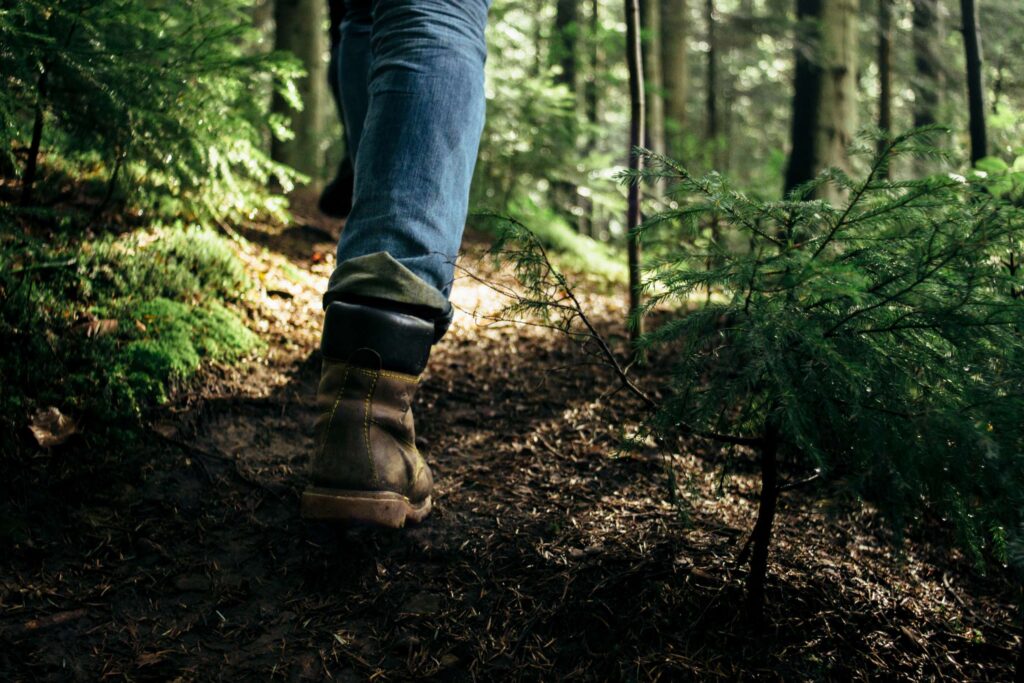
When planning a trip to Alcove Spring Historic Park, here are some things to keep in mind:
- Wear comfortable shoes – the trails can sometimes be uneven and rocky.
- Bring water and insect repellent – especially during the warmer months to stay comfortable.
- Check trail conditions in advance – due to inclement weather or tornado damage, the trail may be partially closed.
- Visit the spring during the wetter season – you’ll have a better chance of seeing the waterfall.
- Respect historical inscriptions – do not carve new ones or damage the rocks.
- Be careful in areas with fallen trees and unstable rocks.
- Follow the signs and do not stray from the marked trails.
These measures will help make your visit safe and preserve the cultural layers of this place.
Comments are closed