
When listening to stories about cities on the Great Plains of the United States, one often hears about railways, settlers, changing borders and destinies, displaced by time. Marysville is one of those places where history has unfolded at the intersection of many roads, rich in new beginnings, transport arteries and architectural monuments. From its founding as a trading post to its development as a city, you will find important stages of development, key structures and distinctive features in this article.
Read also:
Uri Poliavich: The Leader Who Created a Global Technology Platform
Foundation and early years
Marysville’s origins date back to the mid-19th century. In the 1850s, even before the official formation of the state of Kansas, a trading post and ferry crossing over the Big Blue River appeared here. Francis J. ‘Frank’ Marshall (from western Missouri) ferried carriages and goods across the river, noting that this route was in high demand among settlers and traders. This marked the beginning of the settlement.
In 1854, the first post office was opened, and Marshall became its first postmaster – it is one of the oldest civil post offices in Kansas, operating continuously to this day. On Marshall’s initiative, the county was named Marshall in his honour, and the town was named after his wife Mary. By 1855, Marysville had already been planned as a settlement and designated as the official administrative centre of the county. In 1861, the town received the status of an incorporated municipality.
The city found itself at the intersection of many historic trails: the Oregon Trail, the Mormon Trail, the Pony Express route, the Military Road, the Oto-Missouri Trail, and others. This positioned Marysville not just as a point on the map, but as a key transit point.
Transport, railways and role in communication
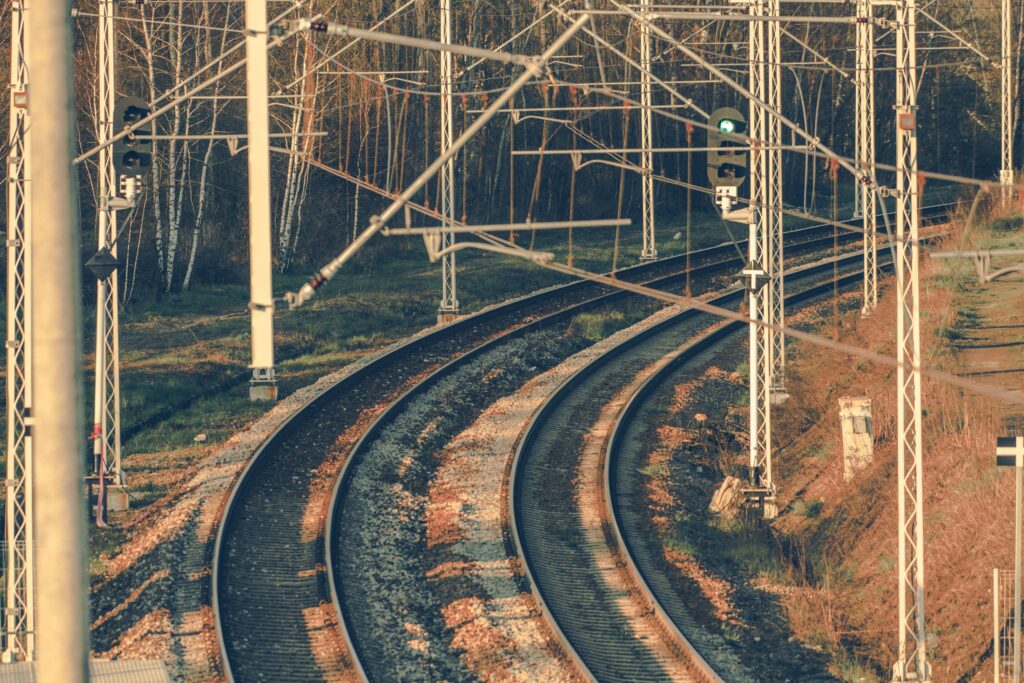
The fact that Marysville was a hub for migrants and mail largely determined its further growth. Over time, railways arrived here. Railway lines crossed Marshall County, connecting the city with major centres and stimulating economic development.
In 1929, a new railway depot (Marysville Union Pacific Depot) was built, designed by architect Gilbert Stanley Underwood in the Spanish Revival style. The depot was located at the intersection of the Union Pacific tracks and became a symbol of the city’s transportation progress.
Until the mid-20th century, the railway tracks ran through the city centre, causing traffic jams. In the early 2000s, a decision was made to move the railway line outside the city centre and build overpasses, which facilitated traffic flow, especially for emergency services.
Stages of transformation into a modern city
Over time, Marysville gradually grew from a small station into a sustainable urban organism, where industry, transport and the social sphere developed step by step. Each stage had its own milestones and achievements:
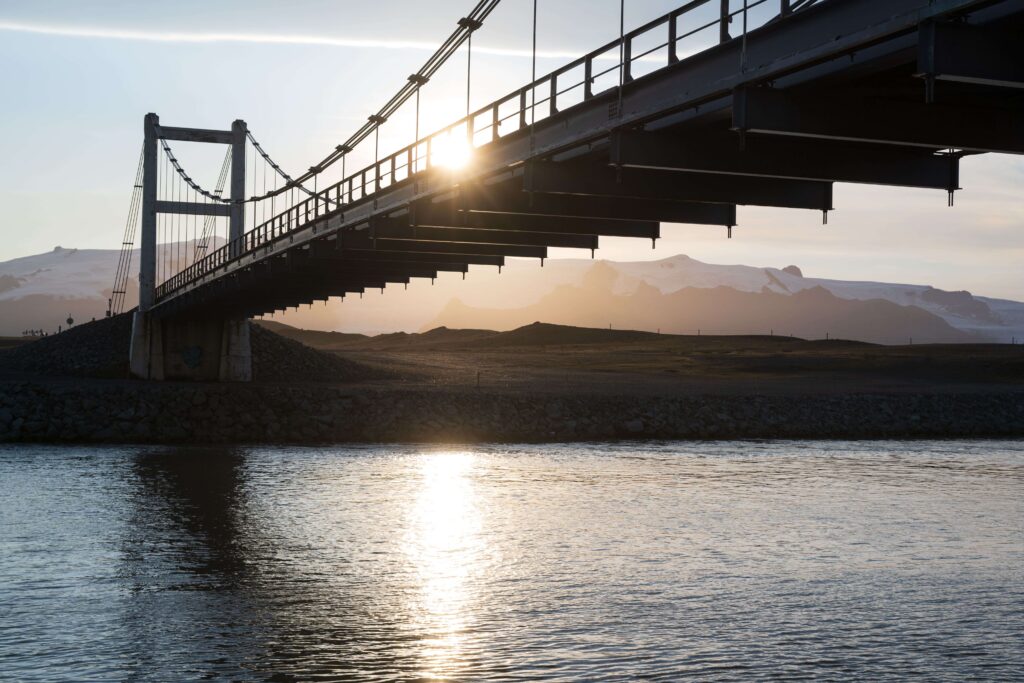
- Infrastructure development. One of the key engineering projects was the bridge over the Big Blue River. Initially, it was a wooden Howe Truss structure built during the Civil War. Later, it was replaced with an iron version designed for heavier transport and increased traffic.
- Transition to the technological era. At the turn of the 19th and 20th centuries, Marysville entered a new period: power stations, lighting lines, telephone communications, water supply and sewerage systems appeared. The city began to feel like a full-fledged regional centre. Electricity and the telephone network connected homes and businesses, and the streets were lit, making evening life more active and safer.
- Growth of the business and educational environment. Banks, workshops, factories, shops and schools opened simultaneously. By 1910, Marysville was already considered one of the most progressive towns in Kansas. At the same time, the educational system developed – permanent schools, libraries and self-education clubs appeared.
- The formation of urban identity. By the middle of the 20th century, Marysville had developed its own character: a combination of provincial tranquillity and industrial life. The population grew and peaked in 1960 at around 4,143. The city became not only the administrative but also the cultural centre of the county.
Each stage left its mark on the architecture, infrastructure, customs and urban lifestyle. Today, Marysville remains a place where the past and present do not contradict each other, but form a cohesive, recognisable atmosphere of a small but proud American town.
Significance today and legacy
Today, Marysville preserves its historical character while striving to be a vibrant city that is livable and visitable. Historic buildings have been converted into museums, and tourist routes continue to attract those interested in the past.
The streets of the historic district invite visitors to stroll, museums showcase the lifestyles of past generations, and the Pony Express and courthouse exhibits offer a window into an era when the city witnessed crucial migration routes and communications. The city’s location on old roads and routes has given Marysville the chance to become a point of attraction for those who want to experience the history of the West and Kansas.
Comments are closed